


Yellow spinel is genuinely one of the rarest color varieties in the entire spinel family, rarer than orange, green, or grey. Before buying one, it’s worth knowing upfront that a meaningful share of what’s sold as “yellow spinel” today is lab-created rather than natural, which makes understanding the difference the single most important part of shopping for this stone.
What Is Yellow Spinel?
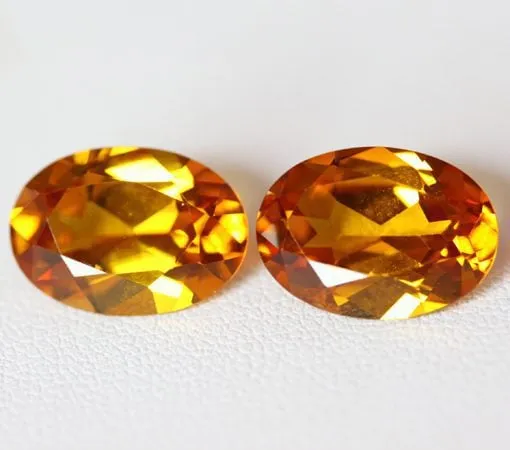
Yellow spinel is a color variety of spinel (magnesium aluminum oxide) displaying a yellow to yellowish-green body color. Natural material in this color is considered extremely uncommon by gemological researchers, to the point that some sources describe true natural yellow spinel as having only recently been documented in any meaningful quantity. That rarity is reflected directly in the market: search results for yellow spinel routinely surface listings explicitly labeled “treated” or “lab-created” alongside natural stones, and forum discussions among gem buyers consistently note how little genuinely natural material is available at any given time.
This matters more here than with most spinel colors, because synthetic spinel has existed since the 1920s and yellow is one of the colors it’s most commonly produced in — originally developed to imitate other yellow gems in birthstone jewelry, not to deceive buyers, but the practical effect today is that yellow spinel on the open market skews heavily synthetic.
Why Is Spinel Yellow? The Science of the Color
Yellow spinel’s color is attributed to manganese acting as the trace coloring element within the crystal structure, distinct from the chromium, iron, and cobalt responsible for spinel’s other colors. A useful identification clue tied to this chemistry: both natural and synthetic yellow spinel have been documented to fluoresce green under ultraviolet light due to their manganese content — a trait shared across natural and lab-created material, so it helps confirm the color’s chemical cause but isn’t on its own proof of natural origin.
Because spinel is cubic in crystal structure, it’s singly refractive, giving it a clean, even brilliance similar to the rest of the spinel family, whether the stone in question is natural or synthetic.
Is Yellow Spinel Natural or Synthetic?
Both exist, and distinguishing them matters a great deal for value. Natural yellow spinel is rare enough that trade discussions among gem buyers describe it as genuinely hard to find in clean, well-documented material, even in small carat sizes. Synthetic spinel, by contrast, has been commercially produced since the 1920s using the Verneuil (flame fusion) process, and yellow is one of its long-established colors.
If buying yellow spinel, ask directly and get documentation: reputable dealers should clearly state whether a stone is natural or lab-created and whether it’s been treated. A price that seems unusually low for the carat weight and clarity offered is often the first sign that a stone is synthetic rather than natural lab-created spinel is inexpensive to produce at scale, while genuine natural material in this color commands a real premium precisely because it’s so scarce.
Where Natural Yellow Spinel Comes From
Natural yellow spinel has most often been associated with Myanmar (Burma), historically one of the most significant spinel-producing regions across nearly all colors. Given how rare genuine yellow material is, supply from any single source remains inconsistent and limited, and buyers shouldn’t expect the kind of steady, traceable sourcing available for more common spinel colors like red, blue, or pink.
Yellow Spinel Durability: Can You Wear It Every Day?
Yes, for both natural and synthetic material. Spinel, natural or lab created,shares the same physical hardness profile: 8 on the Mohs scale, with no cleavage plane prone to chipping. That makes it a practical, durable choice for daily-wear jewelry regardless of origin, which is one reason synthetic yellow spinel has remained a popular, affordable option in birthstone and fashion jewelry for a century.

What Determines the Value of Yellow Spinel?
- Natural vs. synthetic origin — By far the single biggest value factor for this particular color; confirmed natural material carries a substantial premium over lab-created stones.
- Color saturation — A clean, clear yellow without heavy green or brown modifiers is more desirable, though some yellowish-green material is accepted given overall scarcity.
- Clarity — Eye-clean natural stones are especially prized given how rarely they’re found at all.
- Carat weight — Natural yellow spinel above one or two carats is genuinely exceptional; most natural material trades in smaller sizes.
- Documentation — Lab certification confirming natural origin meaningfully affects price for a color this frequently synthesized.
How to Care for Yellow Spinel
Clean it with warm water, mild soap, and a soft brush. Its hardness and lack of cleavage generally make it safe for ultrasonic and steam cleaning, whether natural or synthetic, though it’s worth checking with your jeweler if the setting includes other, more delicate stones. Store separately from softer gems to prevent surface scratching.
Yellow Spinel vs. Citrine: How to Tell Them Apart
Buyers comparing yellow gemstone options often weigh yellow spinel against citrine, a much more common and affordable yellow quartz. Citrine rates only 7 on the Mohs scale, softer than spinel’s 8, and is typically heat-treated to achieve its color, unlike yellow spinel which isn’t reliably improved by heating. Spinel’s single refraction also gives it a cleaner, more consistent brilliance than citrine’s double refraction. In practice, genuinely natural yellow spinel is far rarer and more valuable than citrine, while synthetic yellow spinel sits closer to citrine in price despite sharing spinel’s superior hardness.
“While emeralds and tsavorites dominate the green gemstone market, natural green spinel offers remarkable single refractivity and an impressive 8 Mohs hardness without needing fracture filling. Explore our complete guide to green spinel rarity and value.”

