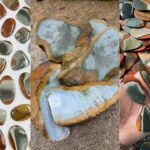
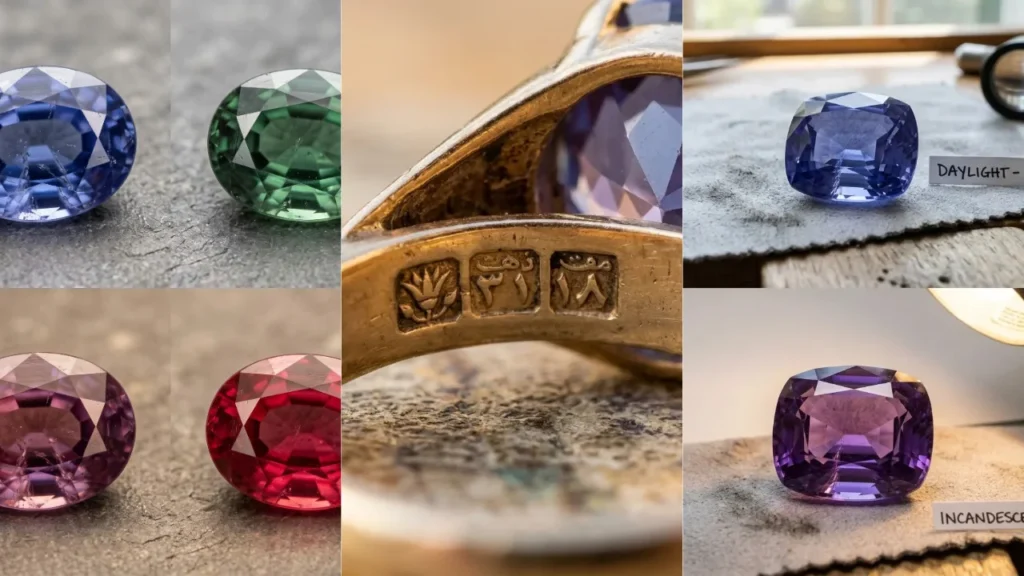
If you own an old piece of jewelry with a stone that flips from blue-grey to purple depending on the light, and someone once told you it’s alexandrite, there’s a decent chance they were wrong. Not lying, necessarily, just repeating a mix-up that the jewelry trade itself ran with for about a hundred years.
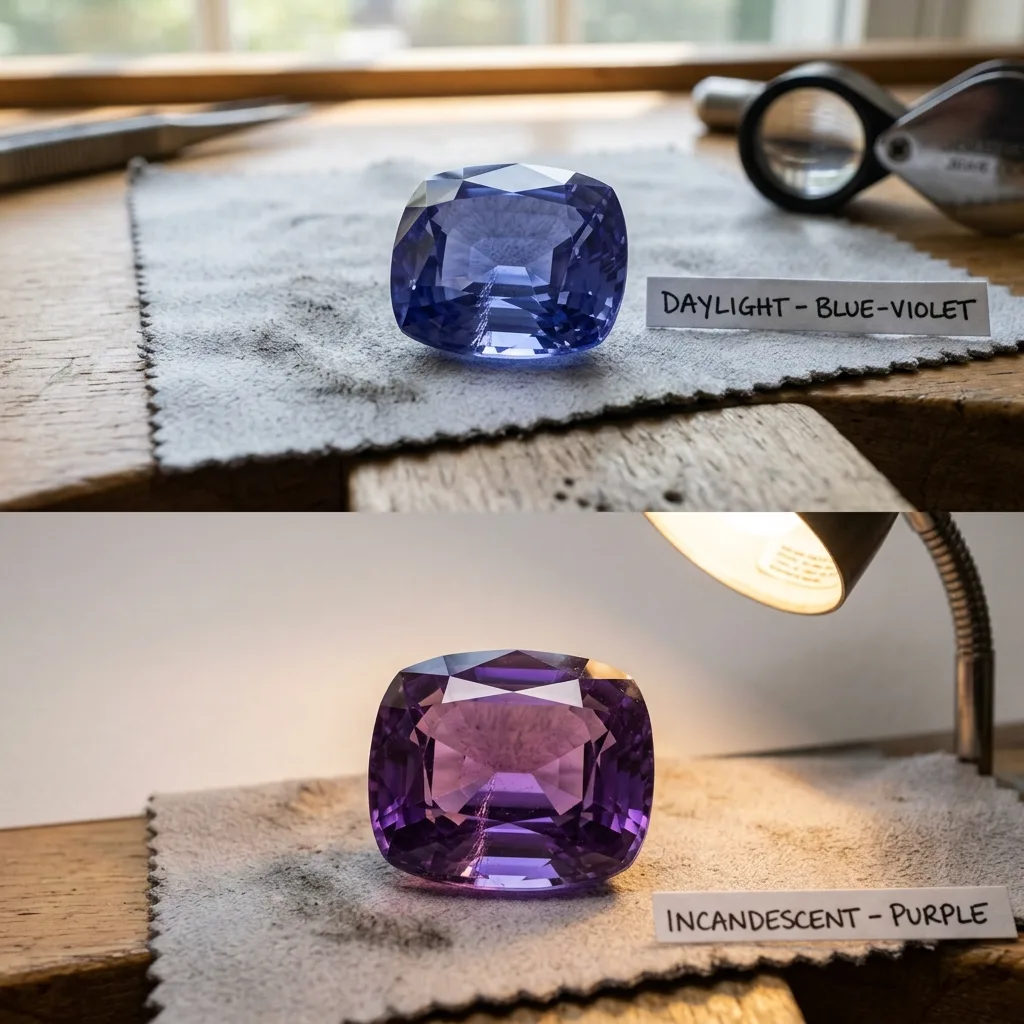
What’s actually happening in the stone?
Color change sapphire is corundum, the same mineral species as every other sapphire, colored by a combination of chromium and vanadium sitting in careful balance within the crystal. That balance is the whole trick: the two elements absorb light so evenly across the spectrum that whichever light source you’re standing under effectively casts the deciding vote. Daylight, which is rich in blue wavelengths, shows the stone as blue or violet-blue. Incandescent light, warmer and more red-shifted, pulls the same stone toward purple or reddish-purple.
It’s genuinely the same physical mechanism behind alexandrite’s famous color change. Gemologists sometimes call it the alexandrite effect when it shows up in sapphire,but the result looks different because the underlying mineral is different. Alexandrite is chrysoberyl, colored primarily by chromium, and it shifts green to red. Color change sapphire, being corundum with a heavier vanadium contribution, shifts blue to purple. It never goes green. That single detail is the fastest way to catch a mislabeled stone.
Where the confusion actually comes from
This isn’t really a “sellers lying to you” story, though it can look that way. It’s more that one specific product got mislabeled so consistently, for so long, that the wrong name basically became folklore.
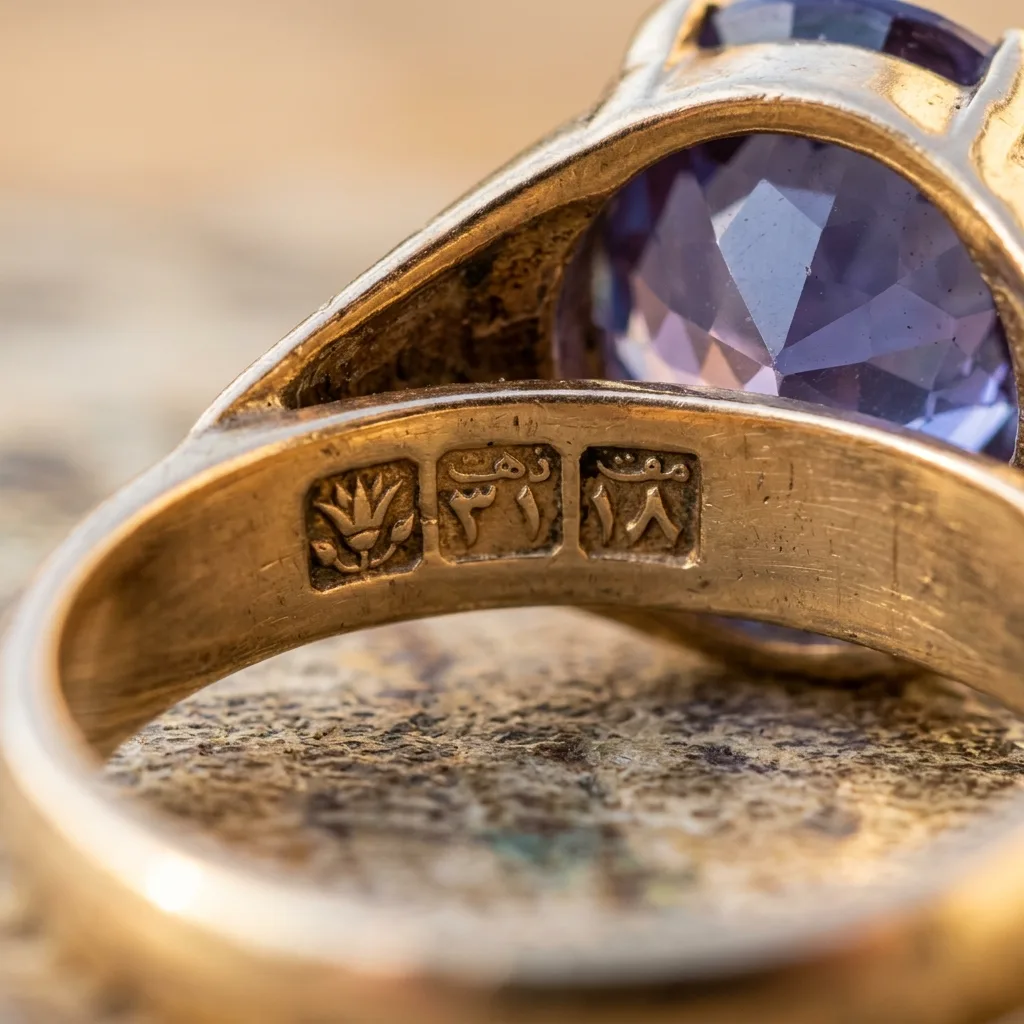
Starting in the early 1900s, manufacturers began mass-producing synthetic corundum doped heavily with vanadium specifically to create a strong, dramatic color shift. According to gemological trade sources, a significant volume of this material, much of it Russian-made, was sold through Alexandria, Egypt, in the years following World War II, and pieces carrying Egyptian hallmarks from that era are still turning up in estate jewelry today. Somewhere along the way, “sold in Alexandria” and “alexandrite” collided in buyers’ minds, and synthetic color-change sapphire got marketed and remembered as synthetic alexandrite for decades, even though the two share no mineral relationship at all.
It’s still happening. A 2024 discussion thread on Reddit’s r/SyntheticGemstones has someone asking for help sourcing a synthetic color-change sapphire specifically, describing exactly this confusion and proving the mix-up hasn’t gone anywhere just because it’s a century old.
The reliable lab test, if you want certainty: vanadium-colored corundum shows a distinctive absorption line right around 475 nanometers (GIA’s own coursework cites it at 474 nm) under spectroscopic examination. It’s described as definitive for vanadium by multiple gemologists discussing the test on trade forums. A jeweler with a spectroscope can confirm in minutes what the naked eye can’t.
A second disagreement worth knowing about
Even the sourcing story isn’t fully settled. The Natural Sapphire Company describes color-change material as found “almost exclusively in Madagascar and Africa,” with the rarest stones coming from Tanzania. Other sources a Sri Lankan gem dealer’s own trade blog and a mining-industry publication, describe Sri Lanka as the single richest and historically most significant source, with Madagascar and Tanzania as secondary. Both camps agree the material is genuinely rare and comes from these three countries; they just weight the “primary source” title differently. I’d read this as reflecting how thin and inconsistently documented the supply actually is, rather than one source being wrong.
What causes the shift, technically
Chromium and vanadium both compete for the same absorption territory in the visible spectrum, effectively splitting the crystal’s transmission window between blue and red wavelengths almost evenly. Under daylight’s blue-heavy spectrum, blue transmission wins out. Under incandescent light’s red-heavy spectrum, red transmission takes over, and the stone reads as purple. The completeness and sharpness of that shift, full and dramatic versus faint and gradual, is what separates a valuable stone from an unremarkable one; strength of change matters more to price than size does in this particular gem.
Where it’s mined
- Sri Lanka — described by multiple trade sources as the richest and most historically established source, known for sharp, vivid blue-to-purple transitions
- Madagascar — a major and increasingly significant secondary source since production expanded there in the late 1990s
- Tanzania — smaller, less consistent output, but credited by at least one major retailer as the source of the rarest and most dramatic individual stones
Is it treated?
No, consistently across every source checked. Unlike the vast majority of sapphire on the market, which is routinely heat treated to improve color, natural color change sapphire’s shift is described as requiring no enhancement,the trace-element balance that causes the effect is inherent to the stone as mined. This is one of its genuine selling points against standard sapphire.
Can you wear it daily?
At 9 on the Mohs scale, color change sapphire is exceptionally durable, among the hardest gemstones available, second only to diamond. It has no cleavage, resists chipping well, and is a completely reasonable choice for an everyday ring, more so than almost any other colored stone on this site. The rarity and price are the real limiting factor here, not the durability.
Caring for it
Warm water, mild soap, and a soft brush. Because it’s essentially always untreated, ultrasonic and steam cleaning are both considered safe. The one thing worth watching: extreme heat exposure over time (a jeweler’s torch during resizing, for instance) can affect any corundum’s internal inclusions, so mention the stone to your jeweler before any repair work involving heat.
Color change sapphire against alexandrite
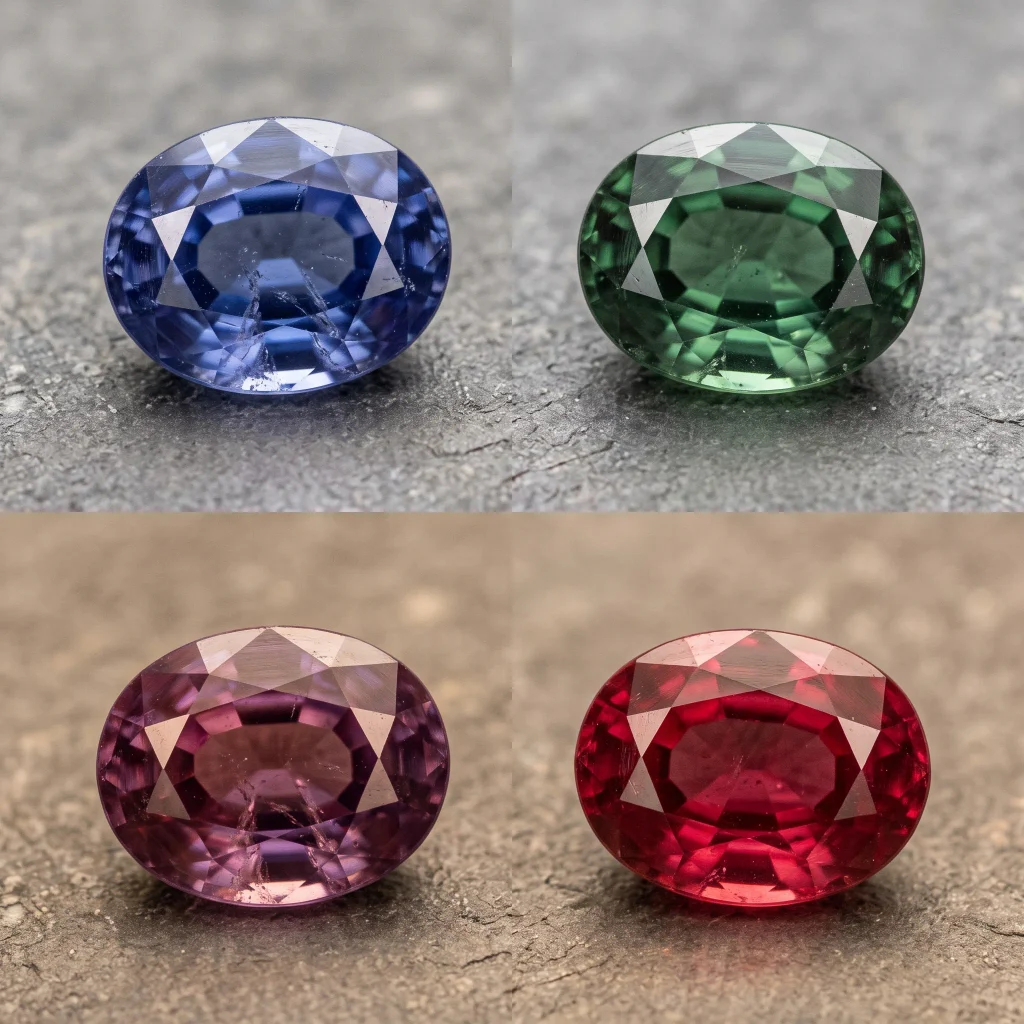
- Mineral species — sapphire is corundum; alexandrite is chrysoberyl, an entirely different mineral family
- Color shift direction — sapphire moves blue to purple; alexandrite moves green to red, and a stone that shifts blue-to-purple while being called “alexandrite” is very likely sapphire wearing the wrong label
- Coloring agent — vanadium plays the dominant role in sapphire’s shift; chromium dominates in alexandrite, with vanadium and iron as minor contributors
- Price — genuine natural alexandrite from classic sources commands significantly higher prices than color change sapphire of comparable quality, which is part of why the mislabeling has historically been so tempting for sellers
- The practical test — if it’s green-to-red, treat “alexandrite” claims seriously and ask for lab certification; if it’s blue-to-purple, you’re almost certainly looking at sapphire regardless of what the tag says
💡 Gemology & Identification Note
Mistaken identities are a hallmark of gemological history. While color change sapphires were frequently cut and traded as chrysoberyl alexandrite, taaffeite was similarly discovered masquerading as spinel. To understand how pure corundum behaves without color-altering transition metals, see our breakdown of white sapphire.