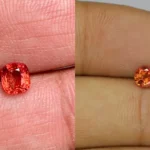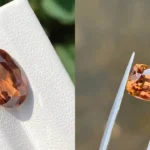

Red zircon is a genuinely rare gemstone, prized alongside blue and green as one of zircon’s three most valuable colors. It shares its parent mineral’s extraordinary fire and brilliance, and a small number of stones show an unusual trick: they can shift color depending on how long they’ve sat in the dark.
What Is Red Zircon?
Red zircon is a color variety of zircon, a zirconium silicate mineral (ZrSiO₄) known for having the highest refractive index of any gemstone in common use, giving it brilliance and fire that genuinely rivals diamond. According to the GIA, red is one of zircon’s three most valuable colors, alongside blue and green a meaningful distinction, since zircon occurs in a very wide range of colors overall, from colorless and yellow to brown, orange, violet, and beyond.
As with all zircon, it’s worth being clear upfront: zircon and cubic zirconia are entirely different materials. Zircon is a genuine natural mineral with a history stretching back centuries; cubic zirconia is an unrelated, lab-created diamond simulant invented in the 1970s. The naming overlap is coincidental, but it causes near-constant confusion for casual buyers.
Why Is Zircon Red? The Science of the Color
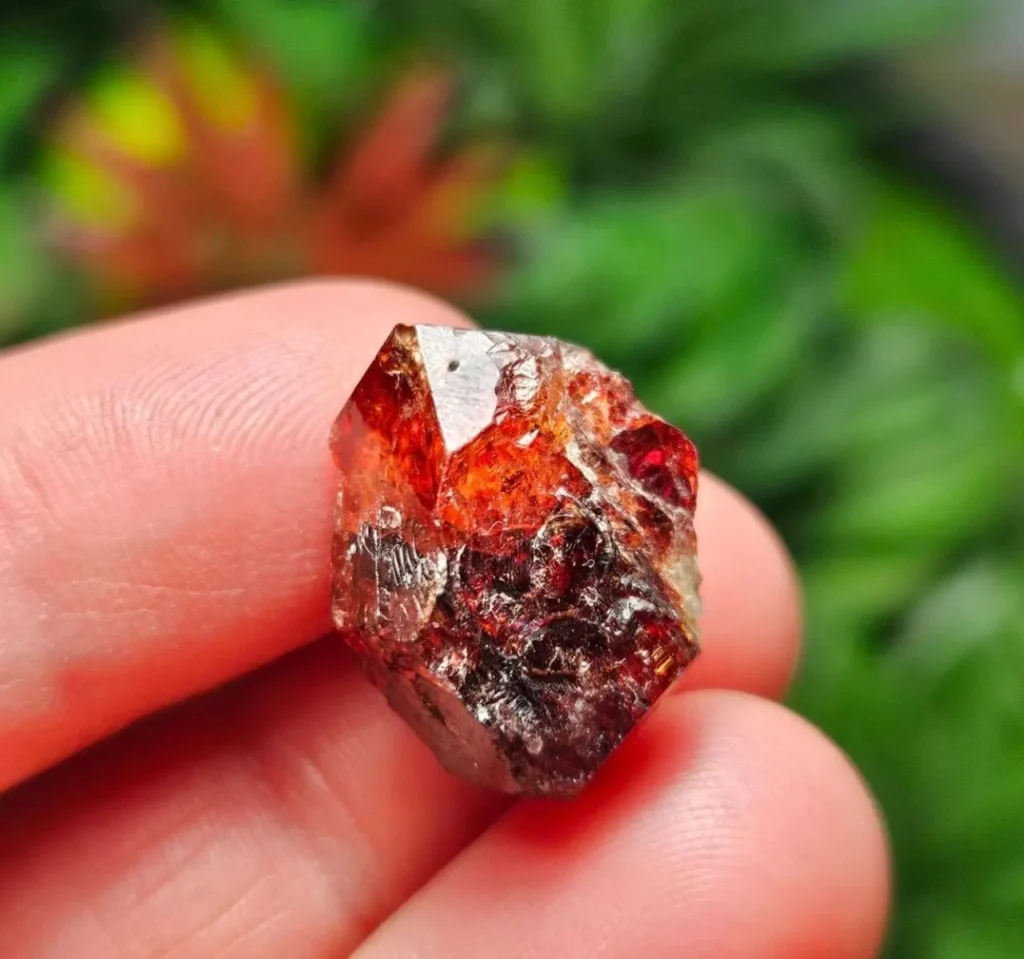
Zircon’s color chemistry is more complex than most gemstones, and red is a good example of why. Natural red zircon does exist, though it’s genuinely rare. Far more commonly, red zircon on the market today is the product of heat treatment: brownish or orangey-brown “hyacinth” zircon rough is heated to around 900°C in an oxidizing atmosphere, which shifts the color toward yellow, orange, or red depending on the starting material and exact conditions.
Zircon’s color is closely tied to its crystal structure and radiation history. Over long periods, trace uranium and thorium naturally present in some zircon crystals gradually breaks down the mineral’s atomic lattice through a process called metamictization. Crystalline, undamaged “high” zircon is what’s typically cut for fine gemstones in blue, red, and other vivid colors, while heavily radiation-damaged “low” or metamict zircon tends toward green or brownish-green tones and has different optical properties altogether.
One unusual trait worth knowing: some red zircon exhibits tenebrescence, meaning a stone stored in the dark (such as in a safe) can develop a deeper, more vivid ruby-red color, which then fades back to its normal orangey-brownish-red within minutes of exposure to light. This reversible photochromic effect is rare even among red zircon and isn’t something every stone will display.
Separate from color, zircon shows unusually strong double refraction, meaning light splits into two paths as it passes through the crystal. In finer, more transparent stones, this creates a visible doubling of the back facet edges when viewed through the top of the gem — an identifying trait most other gems don’t share to this degree.
Where Red Zircon Comes From
- Sri Lanka: One of the most significant sources of gem-quality zircon across nearly every color, including red. Zircon here is typically recovered from the same alluvial gem gravel deposits — known locally as illam — that also produce the island’s sapphires and spinel. These deposits are traditionally hand-panned using woven baskets called vatti, a technique still practiced around Ratnapura today.
- Cambodia: Primarily known for blue zircon production through heat treatment, though the region also yields brownish rough that can be treated toward red and orange tones.
- Myanmar, Thailand, and Vietnam: All contribute to Southeast Asia’s role as the primary global source of gem-quality zircon, including material suitable for red and other warm-toned colors.
- Tanzania and Australia: Smaller but notable modern contributors to the overall global zircon supply.
Is Red Zircon Treated?
Often, yes, though less universally than blue zircon. Natural, untreated red zircon does exist and is considered a genuine rarity in its own right. Much of the red zircon sold today, however, has been heat-treated from brownish rough to develop or improve its color, a long-established, disclosed, standard practice in the zircon trade rather than something to be wary of. As always, ask your dealer directly whether a stone is natural or heat-treated, since natural material commands a real premium given how uncommon it is.
Red Zircon Durability: Should You Wear It Every Day?
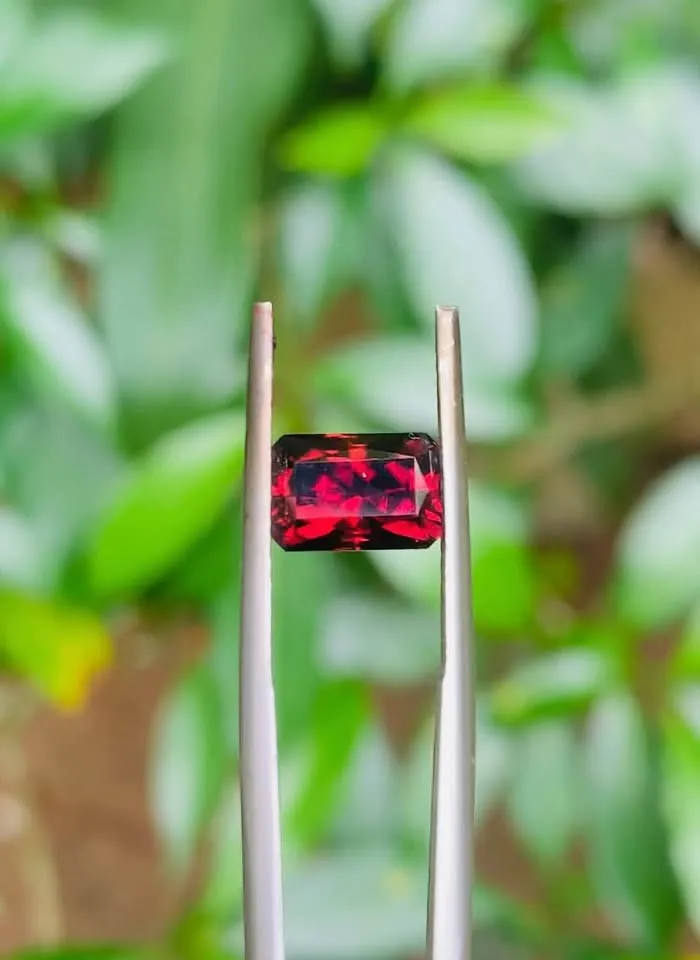
Treat it carefully. Red zircon rates 6.5–7.5 on the Mohs hardness scale, softer than sapphire or spinel, and it can be somewhat brittle, meaning facet edges are more prone to chipping under impact than harder stones. It’s a lovely choice for earrings, pendants, and occasional-wear rings, but if you want it in a piece for daily wear, a protective setting is a sensible precaution rather than an optional extra.
What Determines the Value of Red Zircon?
- Color — A vivid, saturated red is the most prized; many stones lean more orangey-brown-red, and true, deep red material is rarer and more valuable.
- Natural vs. heat-treated origin — Confirmed natural red zircon carries a real premium over the more commonly available heat-treated material.
- Clarity — Zircon is generally eye-clean by nature; noticeable inclusions meaningfully reduce value.
- Carat weight — Fine red zircon in larger sizes is genuinely uncommon and commands a steep premium.
- Cut quality — Because zircon’s fire is central to its appeal, a well-executed cut (typically round or oval) significantly affects how the stone performs visually.
How to Care for Red Zircon
Clean it with warm water, mild soap, and a soft brush, and avoid ultrasonic and steam cleaners given the stone’s brittleness and vulnerability to stress fractures under vibration and heat. Store separately from harder gems like sapphire and spinel to prevent surface abrasion, and be mindful of facet edges knocking against hard surfaces during regular wear.
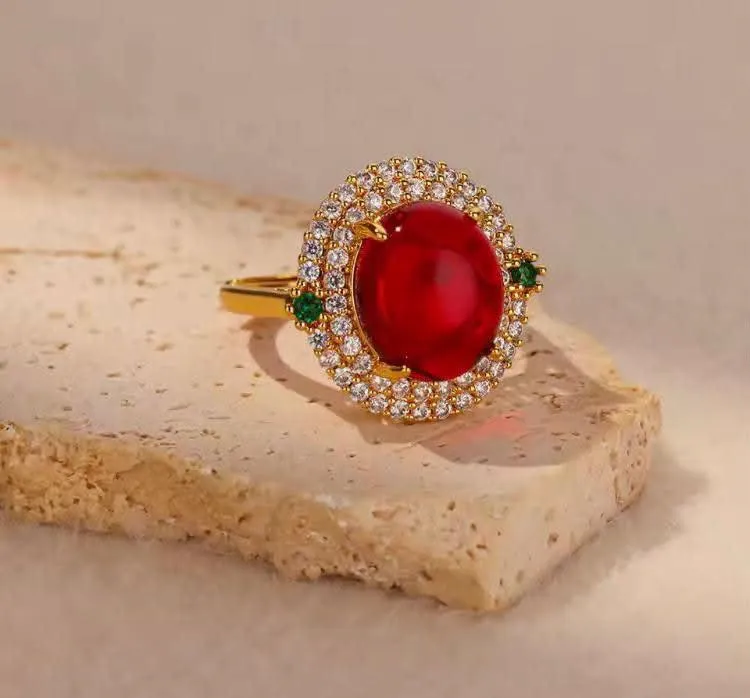
Red Zircon vs. Garnet: How to Tell Them Apart
Red zircon is sometimes compared to red garnet varieties like pyrope or almandine, since both can show a similar warm red tone. The key difference is optical performance: zircon’s exceptionally high refractive index and strong double refraction give it noticeably more fire and a visible doubling of back-facet edges, an effect garnet doesn’t show since it’s singly refractive. Garnet is also generally more widely available and often more affordable, while fine natural red zircon is the rarer and more collector-oriented of the two.
- “Because zircon has a significantly higher specific gravity than garnet, a loose red zircon will feel noticeably heavier than a garnet of identical millimeter size. See our deep dive into deep red garnet gemstones to review weight, hardness, and durability metrics.”