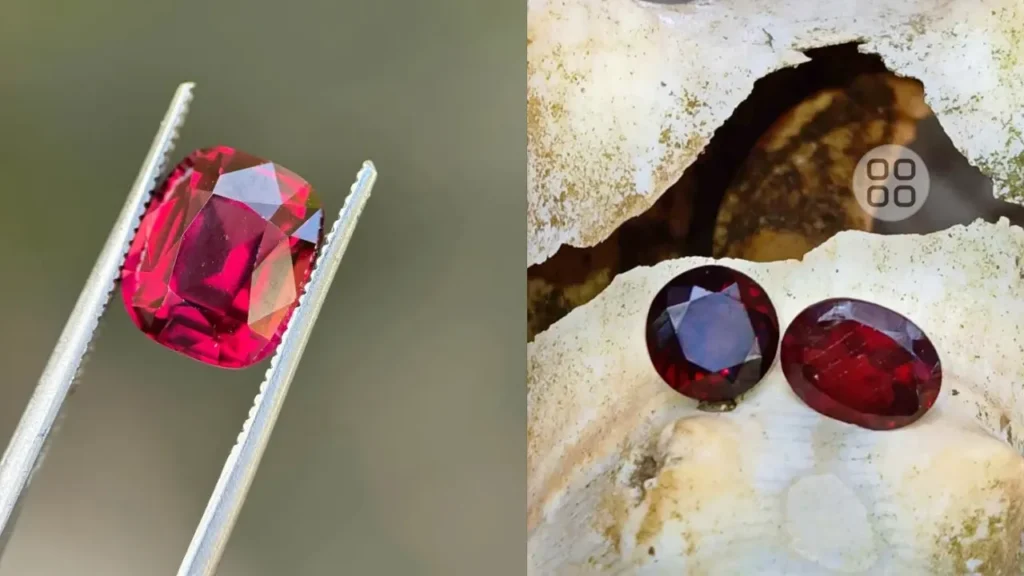
Garnet is January’s birthstone and carries centuries of symbolic meaning across different cultures and astrological traditions. This guide covers garnet’s traditional meanings, its zodiac associations, and what it’s said to represent, all framed as belief and folklore rather than established fact, since none of it can be independently verified.
Is Garnet a Birthstone?
Yes, garnet is the official birthstone for January, a status it has held in modern birthstone lists for over a century. It’s also traditionally given as a gift for second wedding anniversaries.
What Zodiac Sign Is Garnet Associated With?
In Western astrology, garnet is most commonly linked to two signs whose birthdays fall in or around January:
- Capricorn (December 22 – January 19)
- Aquarius (January 20 – February 18)
Some sources also associate garnet with Leo and Sagittarius, though this isn’t as consistently cited across astrological references as the Capricorn and Aquarius association. [Unverified: the Leo/Sagittarius association appears in some modern sources but isn’t part of the more widely documented Capricorn/Aquarius tradition.
In Vedic (Jyotish) astrology, garnet is treated differently from Western tradition. Some sources describe deep red garnet (almandine) as associated with Mars, while a different variety, hessonite garnet (known as “gomed”), is specifically prescribed in Vedic practice for the lunar node Rahu. This is a distinct astrological system from Western zodiac tradition and shouldn’t be conflated with it. [Unverified: Vedic astrological prescriptions vary by practitioner and tradition, and I can’t independently confirm a single standard account.
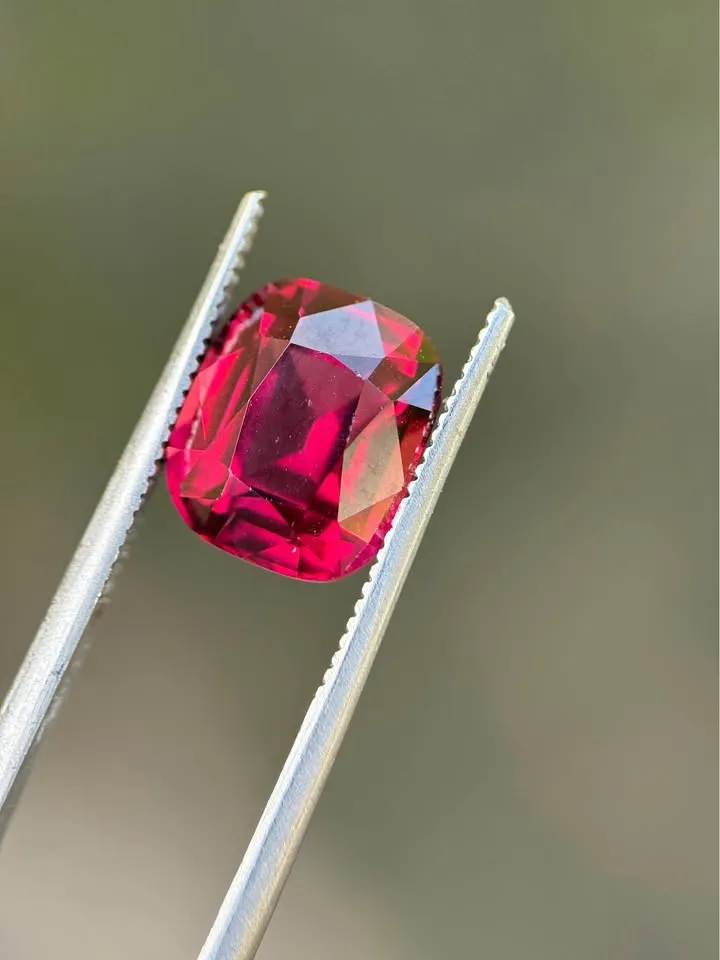
What Does Garnet Symbolize?
Across the folklore and metaphysical traditions I found in researching this topic, garnet is commonly said to represent the following:
- Protection, an association going back to ancient use, when garnet was worn or carried as a protective talisman, including by travelers
- Passion and love, likely connected to its deep red colour, garnet is frequently described in bridal and anniversary contexts as a symbol of commitment and devotion
- Strength and vitality , Garnet is often described in modern crystal and wellness sources as energizing or confidence-boosting
None of these symbolic meanings are scientifically verifiable claims, they represent cultural tradition and belief passed down through folklore, jewelry marketing, and modern crystal healing sources, not gemological fact.
Historical and Cultural Associations
Garnet’s name derives from the Latin word “granatum,” meaning pomegranate, a reference to the resemblance between garnet crystals and pomegranate seeds. Garnet has been associated with protection and courage across multiple ancient cultures, including use by Egyptian nobility. [Unverified: specific cultural claims beyond the general historical use of garnet in ancient jewelry could not be independently confirmed in this research.
A Note on Garnet’s Zodiac and Meaning Claims
This article covers garnet’s meaning and zodiac associations as they appear across astrology and crystal-tradition sources, it is not a scientific or gemological claim, and readers should treat it as cultural and symbolic content rather than fact. For garnet’s verified physical and gemological properties, see our companion guide, Understanding Deep Red Garnet and its Properties.