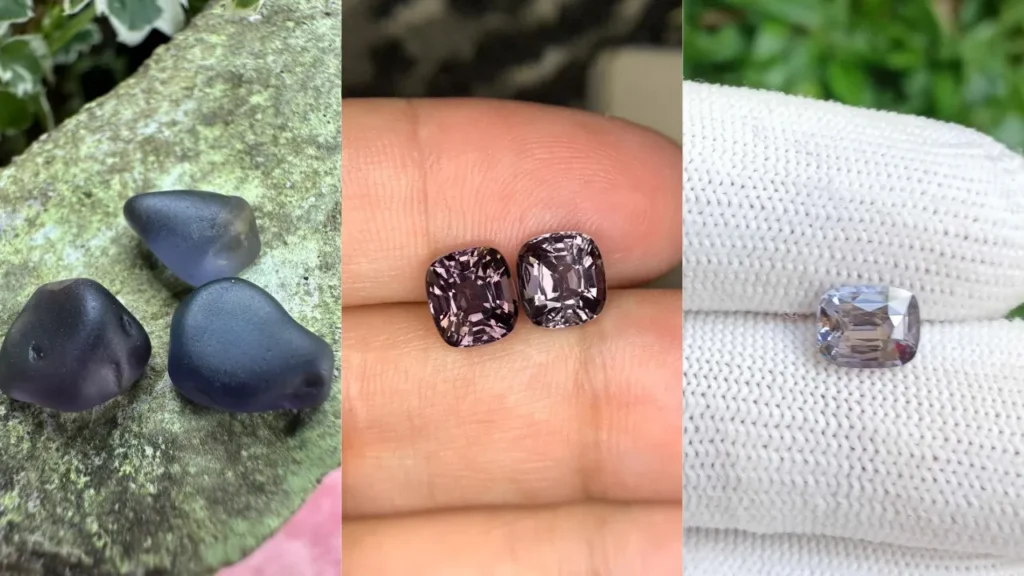
Grey spinel is a rare gemstone that has quietly become one of the most talked-about colored stones in the trade, an unusual case of a gem valued specifically for its unsaturated, metallic-toned color rather than in spite of it. It’s natural, almost always untreated, and durable enough for daily wear, which explains why demand for it has grown quickly in recent years.
What Is Grey Spinel?
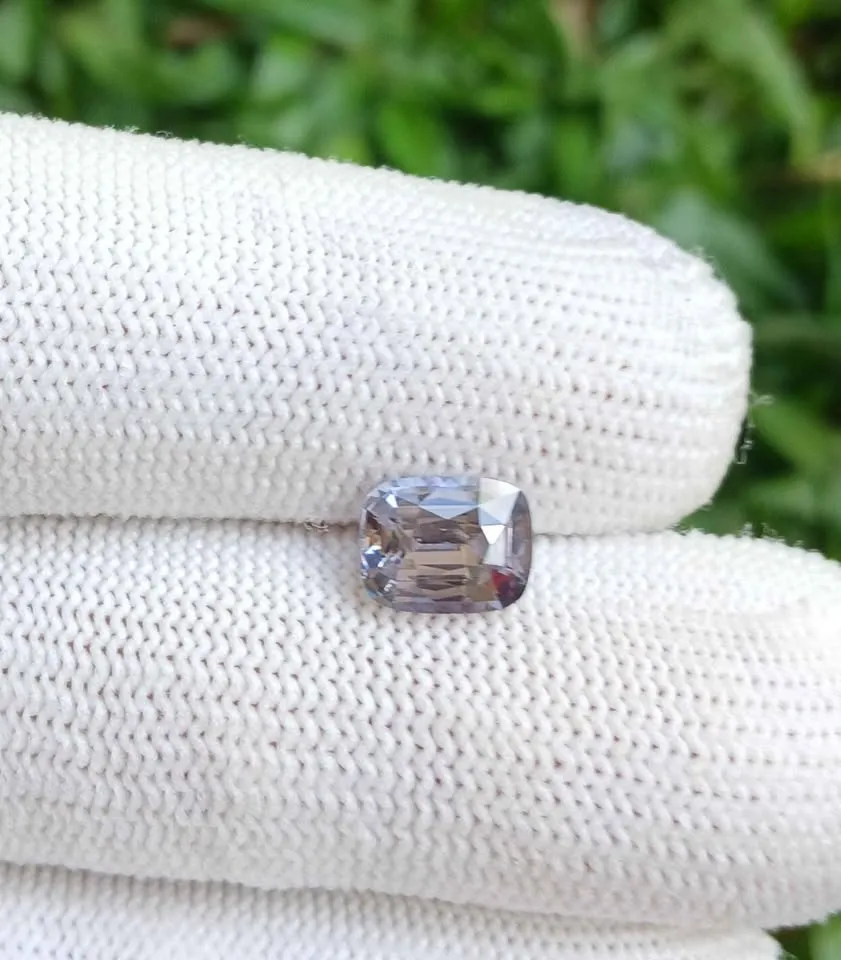
Grey spinel is a natural color variety of spinel (magnesium aluminum oxide) that displays a soft, smoky grey body color, often with a subtle secondary tone of blue or violet running through it. It’s a genuine outlier in the gem world: most colored stones are valued for saturation and vividness, while grey spinel is prized for the opposite, a clean, neutral, metallic-looking grey with minimal warmth. A perfectly neutral grey, without a strong secondary hue, is actually the rarest and most valuable version of the stone.
Spinel as a whole has a long history of mistaken identity. For centuries it was mined alongside ruby and sapphire in the same gem gravels and often sold as one or the other. The Black Prince’s Ruby, set in the British Imperial State Crown, is one of the most famous examples,it isn’t a ruby at all, but a large red spinel. Grey spinel carries that same family history, even though its subdued color makes it a very different stone to look at.
Why Is Spinel Grey? The Science of the Color
Spinel’s color comes from trace metal ions locked into its crystal structure as it forms. Iron is the element responsible for grey it’s actually the same iron content that produces the faint grey “mask” seen in many other spinel colors, but in grey spinel it becomes the dominant, defining color rather than a background tint. When iron is the primary coloring agent with little else influencing the tone, the result is spinel’s understated grey.
Because spinel is cubic in crystal structure, it’s singly refractive, meaning light travels through it along a single path instead of splitting the way it does in double-refractive gems like sapphire. This gives grey spinel a clean, metallic-looking luster and brilliance rather than the softness or haze sometimes seen in other grey-toned stones.
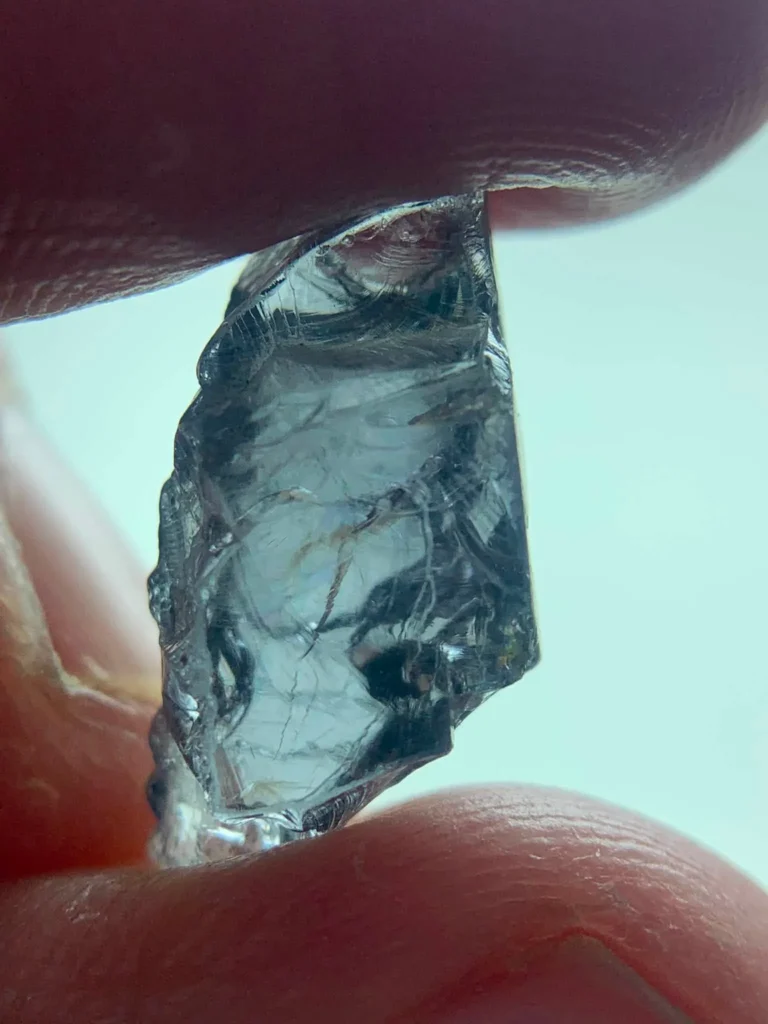
Where Grey Spinel Comes From
Grey spinel is recovered from the same general regions that produce spinel in other colors:
- Myanmar (Burma): One of the most established sources for fine spinel across the color range, including grey.
- Sri Lanka (Ceylon): A major source of grey spinel, typically recovered from the same alluvial gem gravel deposits known locally as illam — that also produce the island’s sapphires and other spinel colors. These deposits are traditionally hand-panned using woven baskets called vatti, a technique still used around Ratnapura today.
- Tanzania: A significant modern source, with much of the grey spinel currently reaching the market originating here.
- Madagascar: A newer, less formally organized mining region where grey and grey-toned spinel is increasingly found, often alongside ruby and sapphire deposits.
Because spinel is typically recovered from alluvial (placer) deposits rather than hard-rock mining, individual crystals are found scattered through river gravel rather than extracted from a single vein,part of why sourcing and traceability vary so much between dealers.
Is Grey Spinel Treated?
Grey spinel is almost always sold untreated. As with other spinel colors, there’s no widely used or reliable treatment to enhance or induce grey color, and the stone typically reaches the market exactly as it was mined. That natural, untouched status is a genuine part of its appeal, especially for buyers who’ve grown wary of the heat treatment that’s standard practice for most sapphire on the market.
Grey Spinel Durability: Can You Wear It Every Day?
Yes. Grey spinel shares the same physical properties as the rest of the spinel family: 8 on the Mohs hardness scale, with no cleavage plane to make it prone to chipping. That combination makes it a genuinely practical stone for rings and other jewelry that sees daily wear, not just an occasional-wear collector’s piece.
What Determines the Value of Grey Spinel?
- Color purity — A neutral, true grey with no secondary hue is the most valuable and hardest to find; most grey spinel leans slightly blue or violet.
- Depth of color — Among stones with a secondary tone, deeper, richer grey tends to be worth more than pale, washed-out material.
- Clarity — Eye-clean stones are preferred, though spinel is generally a fairly clean gem to begin with.
- Carat weight — Most grey spinel on the market is under a carat; stones of several carats with fine color are genuinely uncommon.
- Cut quality — Because the color itself is subtle, a well-executed cut that maximizes brilliance and luster matters more here than with highly saturated gems.
How to Care for Grey Spinel
Grey spinel is low-maintenance. Clean it with warm water, mild soap, and a soft brush. Its hardness and lack of cleavage generally make it safe for ultrasonic and steam cleaning, though it’s worth confirming with your jeweler if the setting includes other, more delicate stones. Store it separately from softer gems to avoid surface scratching.
Grey Spinel vs. Other Neutral-Toned Stones
Grey spinel is sometimes compared to other muted or metallic-looking gems, like grey moonstone or grey diamond, but the comparison mostly ends at color. Grey spinel has notably higher brilliance than moonstone thanks to its single refraction and clean crystal structure, and unlike grey diamond, it’s typically sold well below diamond price points while still offering strong hardness and durability — which is part of why it’s found a following among buyers looking for something understated but still enduring.
- “For a complete breakdown of color grading, crystal structure, and ideal jewelry settings, see our deep dive into blue spinel gemstones.”