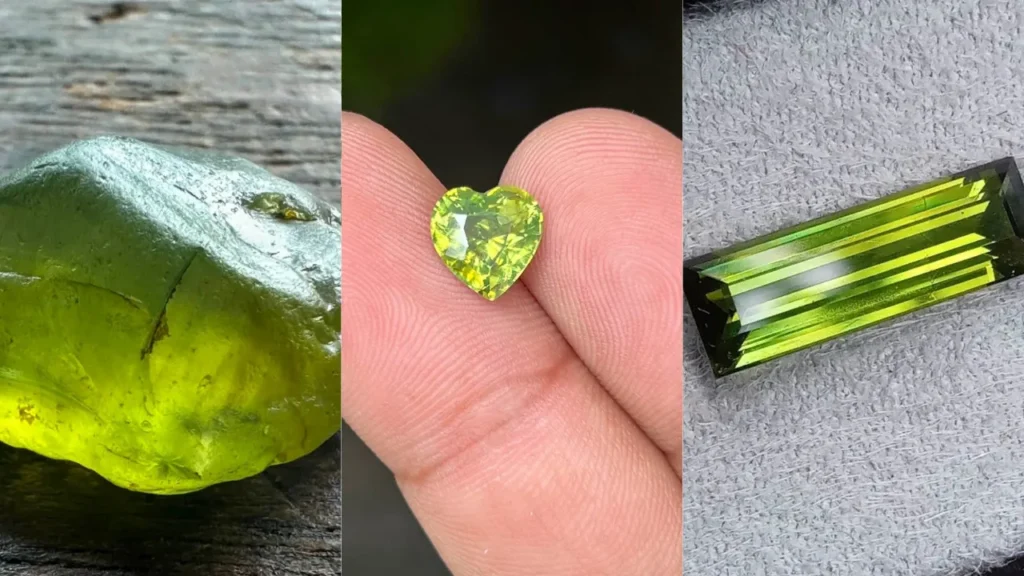
Green zircon is a rare gemstone with a genuinely different story from the rest of the zircon family. While blue, red, and yellow zircon are typically heat-treated to develop their color from brownish rough, green zircon’s color comes from the exact opposite process: natural radiation damage. That difference matters for durability too, which makes green zircon one of the few zircon colors where buyers should ask a few extra questions before purchasing.
What Is Green Zircon?
Green zircon is a color variety of zircon, a zirconium silicate mineral (ZrSiO₄), ranging from pale, subtle green to deeper olive and moss-green tones. Historically, some green zircon carried its own trade name, beccarite, used for olive-green, yellowish-green, or moss-green material a term that’s fallen out of common use in favor of straightforward color descriptions, though it still surfaces occasionally among collectors and in older references.
The GIA lists green as one of zircon’s three most valuable colors, alongside blue and bright red but green zircon’s path to that color is fundamentally different from the other two, which matters a great deal for anyone considering buying one.
Why Is Zircon Green? The Science of the Color
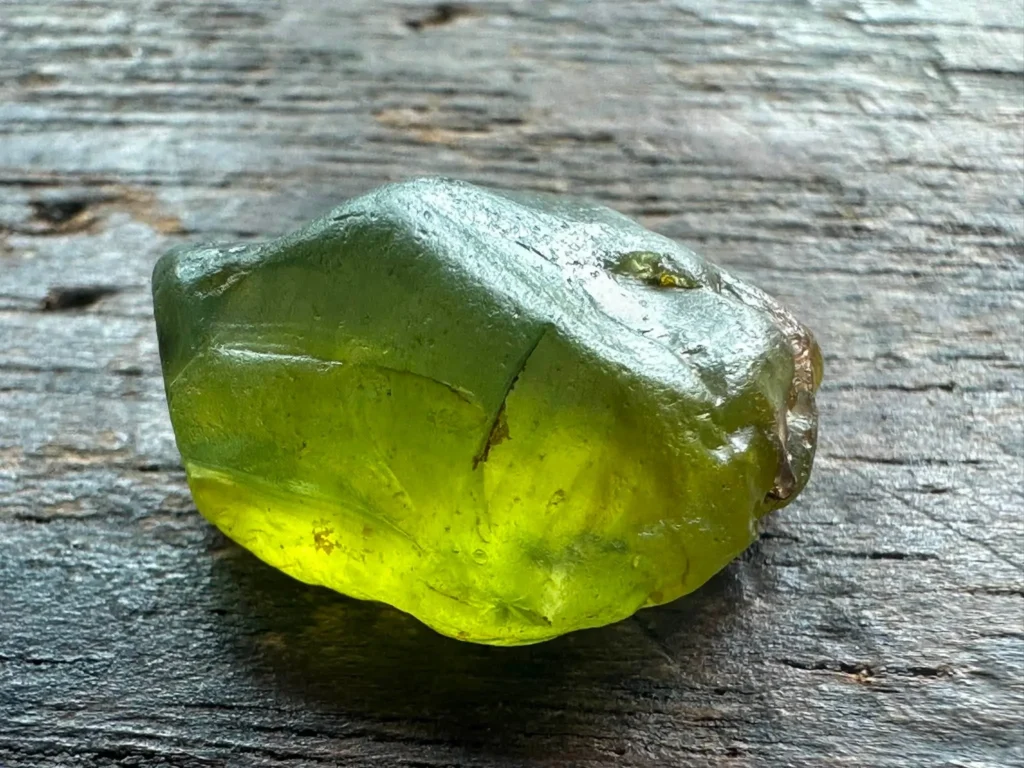
This is where green zircon genuinely stands apart. Zircon crystals often contain trace amounts of naturally occurring uranium and thorium, and over long geological timescales, radioactive decay from these elements gradually breaks down the mineral’s crystal lattice, a process called metamictization. Fully damaged, amorphous zircon is termed “low” or metamict zircon, and it is, by definition, the source of natural green color in this gem family. In other words, green zircon’s color is a direct byproduct of the same radiation damage that also softens and structurally weakens the stone.
This has a striking practical consequence: green zircon cannot be heat-treated the way blue, red, or yellow zircon can. Heating metamict material actually reverses the radiation damage, restoring the crystal lattice toward its original “high” (crystalline) state but doing so destroys the radiation-induced color centers responsible for the green color in the first place. The result of heating green zircon is typically colorless, pale yellow, or blue material, not a deeper or more stable green. This means there’s no meaningful category of “heat-treated green zircon” the way there is for the rest of the family: natural, unheated green zircon is essentially the only kind that exists.
Green Zircon Durability: A More Important Question Than Usual
This deserves real attention rather than a quick caveat. Because green zircon’s color depends on radiation-damaged, structurally compromised crystal lattices, it’s genuinely softer and more brittle than other zircon colors. Metamict green zircon typically rates 6 to 6.5 on the Mohs scale (compared to 7–7.5 for crystalline “high” zircon), with reduced hardness and increased brittleness that make it more susceptible to chipping and abrasion, particularly at facet edges. Its luster is also often described as oily, resinous, or slightly hazy rather than the sharp, adamantine brilliance seen in blue, red, or yellow zircon.
None of this makes green zircon a bad choice collectors have long valued metamict zircon precisely for its unusual optical character but it does mean green zircon is better suited to occasional-wear pieces like pendants and earrings than to a ring worn daily. If you do want it in a ring, a well-protected setting (bezel or halo) is a sensible precaution, not an optional extra.
Where Green Zircon Comes From
- Sri Lanka: The world’s major source of green zircon, typically recovered as waterworn pebbles from alluvial gem gravel deposits — known locally as illam — the same tradition that yields the island’s sapphires and spinel, traditionally hand-panned using woven baskets called vatti around Ratnapura.
- Myanmar (Burma): The other significant historical source of green zircon, alongside Sri Lanka.
Green zircon’s sourcing is notably narrower than blue, red, or yellow zircon, which draw from a wider spread of Southeast Asian and African locations, a direct reflection of how specific the geological conditions for naturally metamict material are.
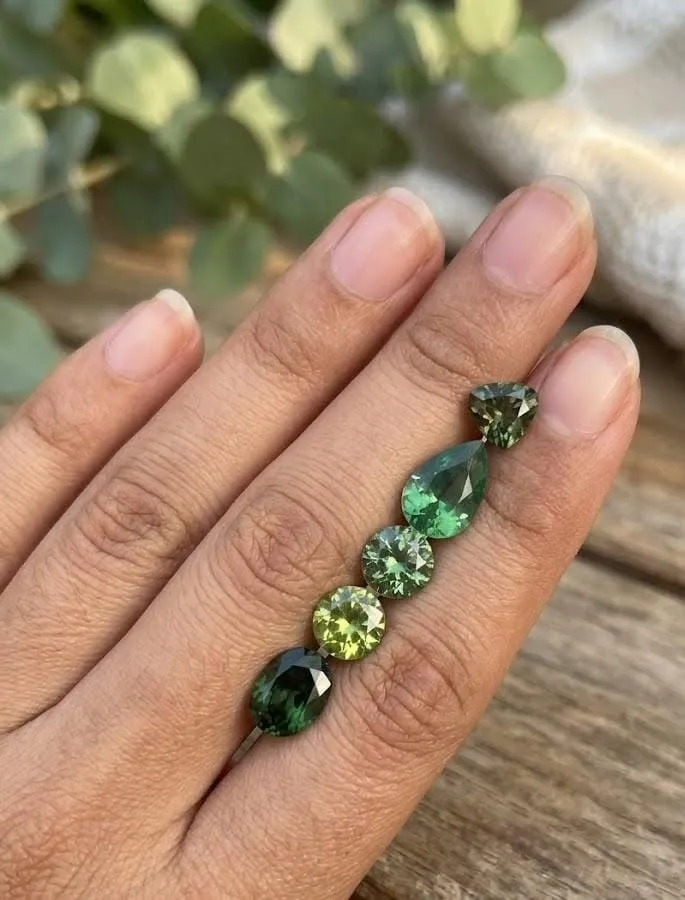
Is Green Zircon Treated?
No, effectively never in any way that preserves the green color. As covered above, heat treatment removes green zircon’s color rather than enhancing it, so any authentic green zircon on the market is natural, untreated material by definition. This is one of the few genuinely reliable “what you see is what you get” stories in the zircon family. There’s no treated-vs-natural question to navigate the way there is with blue, red, or yellow zircon.
What Determines the Value of Green Zircon?
- Color depth and clarity of tone — A clean, well-saturated green (rather than murky olive-brown) is generally more desirable.
- Clarity and transparency — Since metamict material can show a hazy or cloudy quality, stones with better transparency are more prized.
- Carat weight — Larger, clean green zircon is genuinely uncommon and commands a real premium.
- Cut quality — A skilled cutter can work with metamict material’s particular optical properties to maximize its brilliance despite its lower refractive index compared to crystalline zircon.
- Rarity of the color itself — As one of zircon’s three most valuable colors per GIA, fine green material holds real collector appeal independent of carat weight alone.

How to Care for Green Zircon
Given its lower hardness and increased brittleness, treat green zircon more carefully than other zircon colors. Clean it with warm water, mild soap, and a soft brush only avoid ultrasonic and steam cleaners entirely, since the compromised crystal structure makes it more vulnerable to stress fractures under vibration and heat than even the already-brittle blue and red varieties. Store it separately from all harder gems, and consider a protective setting for any piece meant to see regular wear.
Green Zircon vs. Peridot: How to Tell Them Apart
Green zircon is sometimes compared to peridot, another naturally green gemstone in a similar color range. Peridot is a distinct mineral (a magnesium iron silicate) with no relationship to zircon’s radiation-based color chemistry, and it rates a comparable 6.5–7 on the Mohs scale, making the two similarly suited to careful, occasional wear rather than daily use. The clearest visual difference is optical performance: zircon, even in its softer metamict form, generally retains more fire and brilliance than peridot, which tends toward a more muted, oily luster of its own. Peridot is considerably more widely available, while natural green zircon remains a genuinely rare, specialist find.
💡 Gemology Note: Unlike metamict green zircons, canary and golden yellow zircons feature a fully preserved crystal lattice, resulting in maximum brilliance and crisp double refraction. Learn how to grade clarity and color in our Yellow Zircon Gemstone Guide.