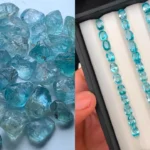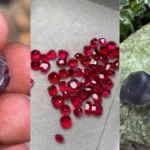

Zircon is one of the most rewarding gemstones to buy, with a genuine diamond rivaling fire, real gemological history, and prices that stay accessible even at larger carat weights. It’s also one of the easiest gems to get confused about, thanks to its name being mixed up with cubic zirconia and its color variety being wider than almost any other single gem species. This guide covers what actually matters when buying zircon, regardless of which color you’re considering.
First: Confirm It’s Actually Zircon, Not Cubic Zirconia
This has to come first, because it trips up more buyers than anything else on this list. Zircon and cubic zirconia are entirely different materials. Zircon is a natural mineral (zirconium silicate, ZrSiO₄) with a gemological history stretching back centuries. Cubic zirconia is a lab-created zirconium dioxide diamond simulant invented in the 1970s, unrelated in composition or origin. The name overlap is a historical coincidence, not a marketing trick, but it means you should always confirm exactly what you’re buying a listing that just says “zircon” without specifying natural origin deserves a direct question to the seller before you pay.
📌 Scientific Source: Want to explore the history, skull-melting synthesis process, and physical properties of cubic zirconia? Read Wikipedia’s Complete Cubic Zirconia Entry.
Choose Your Color First — Then Understand What That Means for Treatment
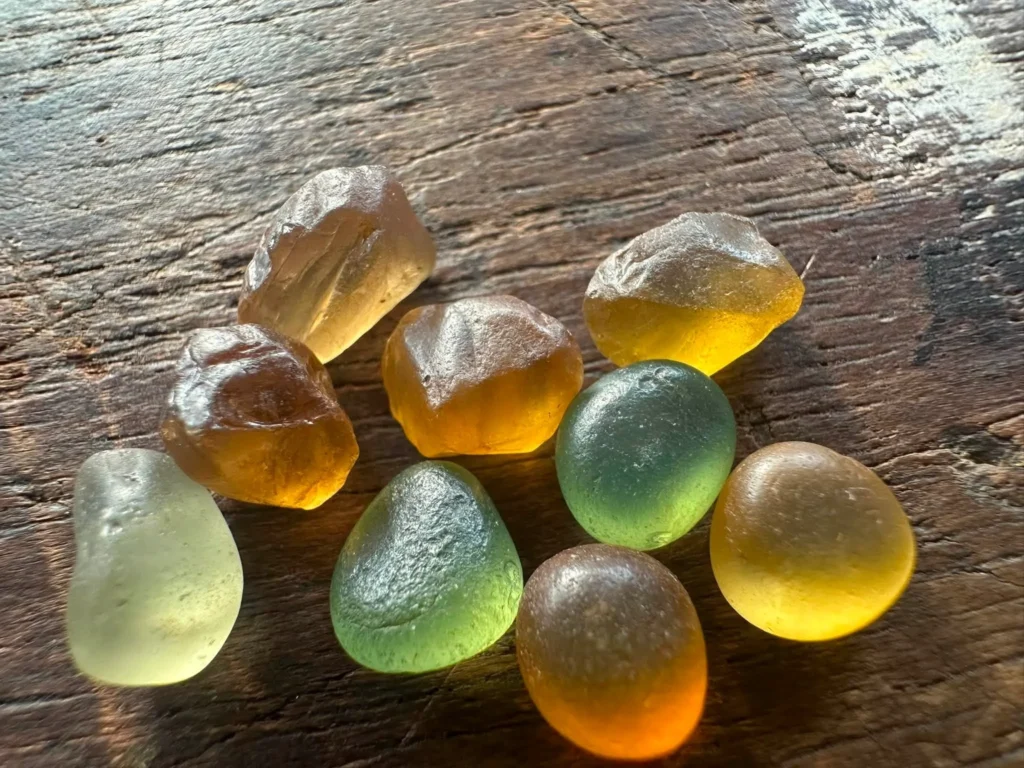
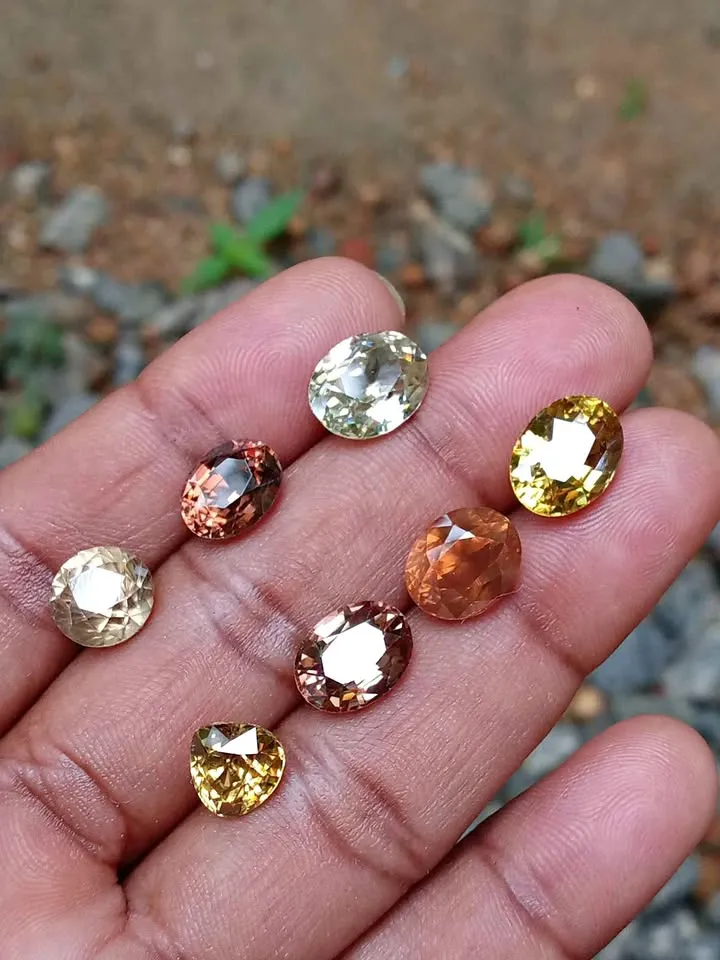
Zircon’s color range is genuinely one of the widest of any single gem species: blue, red, brown, yellow, golden, orange, green, and colorless. But the colors aren’t interchangeable in terms of what you’re actually buying:
- Blue, red, orange, yellow, golden, and colorless zircon are, more often than not, heat-treated from brownish rough. This is standard, disclosed industry practice not a red flag but it does mean natural, untreated material in these colors carries a real premium and is worth asking about directly.
- Brown zircon is the outlier in the opposite direction: it’s zircon’s most common natural color and is typically sold untreated, since it’s essentially the raw material other colors are made from.
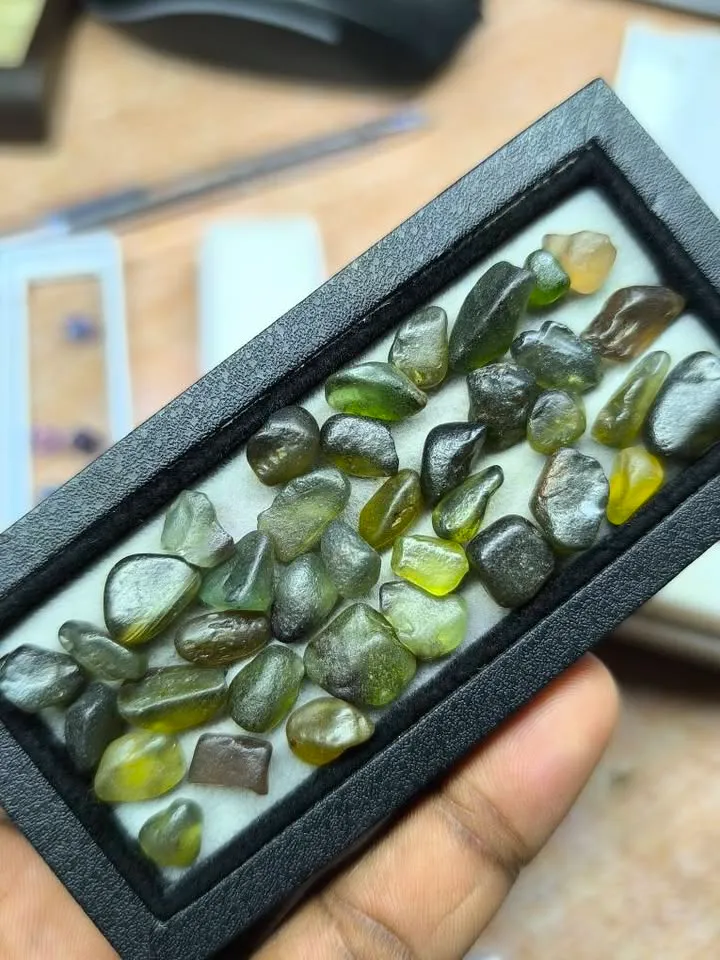
- Green zircon is the other outlier: its color comes specifically from natural radiation damage (metamictization), and heat treatment actually destroys the green color rather than enhancing it. Authentic green zircon is, by definition, natural and unheated.
Knowing which category your color falls into changes what question you should be asking the seller “is this treated?” for most colors, versus “Can you confirm this wasn’t over-processed?” for brown, and rarely a treatment question at all for green.
Understand the Four Cs, Zircon-Specific
Color: For heat-treated colors, look for even, well-saturated color without patchiness. For colors prized specifically for being natural (brown, green), slight variation and character are part of the appeal rather than a flaw.
Clarity: Zircon is generally a clean-cutting gem, so eye-clean material is a reasonable expectation across most colors and price points, unlike gems where inclusions are simply accepted as normal.
Cut: Because zircon’s fire and brilliance are central to its appeal, cut quality matters more here than it might for a gem you’re buying primarily for color. A well-executed round or oval brilliant cut will show noticeably more sparkle than a poorly proportioned stone, even at identical carat weight and color grade.
Carat weight: Zircon is more available in larger sizes than many colored gems, particularly in the more common colors (blue, brown, and yellow), so don’t assume a bigger stone automatically signals rarity or higher per-carat value the way it might with, say, fine ruby.
The Durability Question: What to Actually Expect
Zircon generally rates 6 to 7.5 on the Mohs hardness scale, depending on color and crystal type — softer than sapphire (9) or spinel (8), and with some brittleness that makes facet edges more prone to chipping under impact than harder stones. This is true across most colors, though green zircon (being metamict) sits at the softer end of that range and deserves extra care.
Practically, this means:
- Great for: earrings, pendants, brooches, and occasional-wear rings.
- Workable for daily-wear rings if set in a protective mounting (bezel or halo) that shields the girdle and edges from impact.
- Avoid: ultrasonic and steam cleaners across every zircon color , the brittleness makes zircon more vulnerable to stress fractures under vibration and heat than harder gems. Clean with warm water, mild soap, and a soft brush instead.
Red Flags to Watch For
- A listing that doesn’t specify natural vs. synthetic, or natural vs. cubic zirconia. Reputable dealers state this clearly; vague language is worth a direct follow-up question.
- A price that seems too low for the stated carat weight and color, particularly in colors like yellow, where synthetic spinel and other imitations sometimes get mislabeled or misrepresented. If a deal looks unusually good, ask for lab documentation.
- No mention of treatment status for colors where heat treatment is standard (blue, red, orange, yellow, golden, colorless). This isn’t necessarily deceptive—treatment is normal — but a seller who won’t answer directly is a bigger concern than the treatment itself.
- Green zircon marketed as “heat-treated for enhanced color.” Given that heating destroys green zircon’s color rather than improving it, this claim doesn’t hold up and is worth questioning directly.
What to Expect to Pay
Zircon remains genuinely accessible compared to many colored gemstones, which is part of its appeal. Common colors like blue, brown, and yellow zircon in modest sizes are typically available at approachable prices, while rarer natural material — untreated stones in colors usually associated with heat treatment, fine large green zircon, or documented natural colorless “Matura diamond” material — commands real premiums reflecting genuine scarcity. As with any gemstone purchase, price should track directly with the specific combination of color, clarity, cut, carat weight, and treatment status rather than the color name alone.
Explore Each Zircon Color in Depth
For a full breakdown of any specific color’s history, sourcing, and value considerations:
Colorless Zircon — historically called the “Matura diamond,” one of the first natural diamond substitutes.
Blue Zircon — the most popular zircon color, almost always heat-treated from Cambodian rough.
Red Zircon — one of zircon’s three most valuable colors, with an unusual color-shifting trait.
Brown Zircon — zircon’s natural, untreated original, and the raw material for several other colors.
Yellow Zircon — including golden zircon, the deeper end of the same color spectrum.
Orange Zircon — bridging yellow and red on zircon’s warm-toned spectrum.
Green Zircon — rare, naturally radiation-colored, and structurally different from every other zircon color.