
Amethyst’s meaning didn’t start with modern crystal shops, it started with ancient Greek wine cups, medieval bishops’ rings, and a 19th-century discovery in Brazil that permanently changed how the world valued this stone. Here’s the real, documented history behind what amethyst has actually represented across different cultures and eras, separate from the unverifiable healing claims that dominate a lot of what you’ll find searching this topic today.
Where the Name Comes From
Amethyst’s name traces directly to its original meaning: the Greek word amethystos translates roughly to “not intoxicated,” combining the negative prefix a- with methustos, relating to being drunk. Ancient Greeks genuinely believed the purple stone could protect its wearer from the effects of alcohol, and the practice of carving wine goblets from amethyst, or wearing amethyst jewelry while drinking, was rooted in that belief. Whether or not it worked is, unsurprisingly, not something history has verified, but the name stuck, and it’s the clearest, most historically documented starting point for understanding what this stone has meant to people across centuries.
Ancient and Historical Symbolism
Beyond the intoxication belief, amethyst carried real symbolic weight in several ancient and medieval contexts:
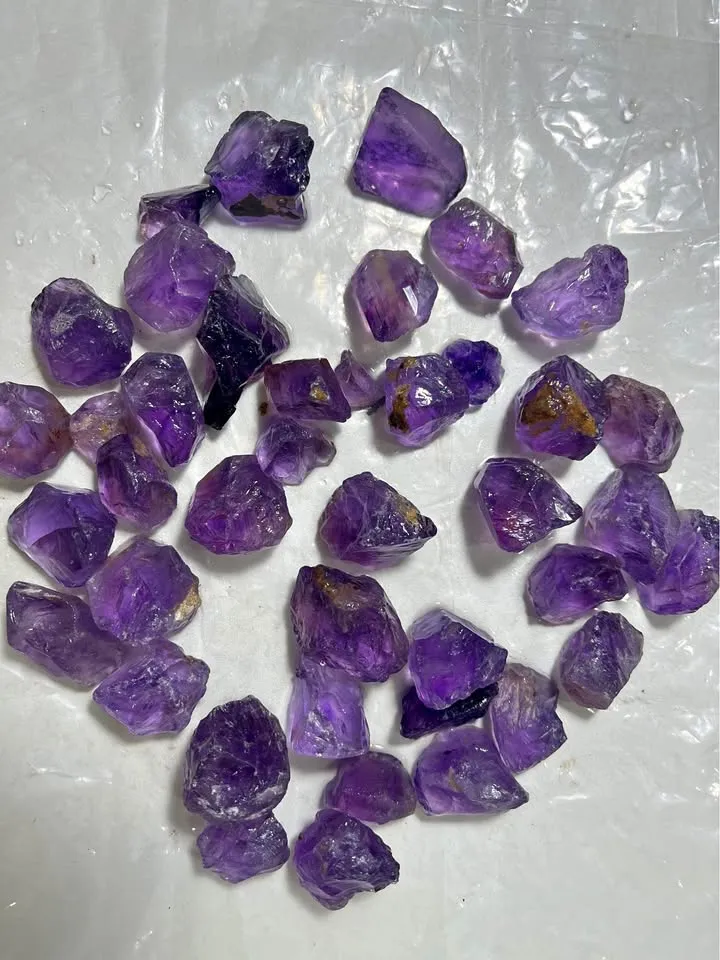
- Royalty and status: Amethyst was historically classified alongside diamond, ruby, sapphire, and emerald as one of the “cardinal” or most precious gemstones, worn by European royalty for centuries. It remains part of the British Crown Jewels today.
- The Church: Amethyst became closely associated with Catholic bishops, sometimes called the “bishop’s stone,” worn in episcopal rings as a symbol of piety and spiritual devotion. This tradition persists in some ecclesiastical contexts to this day.
- Ancient Egypt: Amethyst was used in jewelry and burial artifacts, valued for both its color and, per period belief, its protective qualities.
Why Amethyst Isn’t Considered “Precious” Anymore
Here’s a genuinely interesting piece of amethyst’s history that most “meaning” articles skip entirely: for most of recorded history, amethyst really was treated as a precious gemstone on par with the stones we consider precious today. That changed dramatically in the 19th century, when massive amethyst deposits were discovered in Brazil, dramatically increasing global supply. As availability rose, amethyst’s market position shifted from “precious” to what’s now classified as “semi-precious,” a reclassification driven almost entirely by supply and scarcity economics, not by any change in the stone’s actual beauty or rarity of fine specimens. It’s a useful reminder that “precious” and “semi-precious” labels reflect market history as much as they reflect anything intrinsic to a gemstone.
Modern Birthstone and Anniversary Status
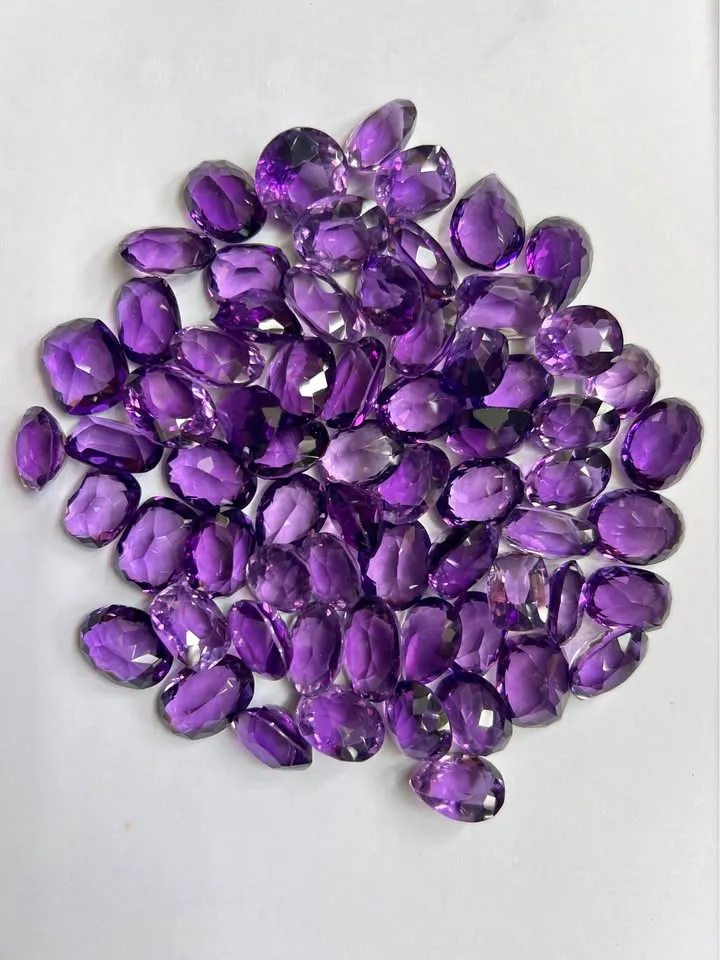
Amethyst is the official birthstone for February, a designation formalized in the modern birthstone list and widely recognized today. It’s also the traditional gemstone associated with the 6th wedding anniversary, giving it a place in both personal milestone traditions and the broader jewelry trade beyond its historical royal and religious associations.
What Amethyst Is Traditionally Associated With
Beyond its documented history, amethyst carries traditional associations with calm, clarity, and spiritual reflection, themes that show up consistently across centuries of folklore, from the original Greek anti-intoxication belief through its adoption by the Church as a symbol of piety and sober devotion. Modern crystal and wellness communities have built extensively on this foundation, attributing specific healing properties, chakra associations, and psychic effects to amethyst. These modern claims are widespread in the market, but it’s worth being clear that they’re not scientifically verifie, if you’re drawn to amethyst for these reasons, that’s a genuinely personal and valid choice, but it’s different from the documented historical symbolism covered above, and we’d rather be upfront about that distinction than blur the two together.
How Amethyst’s Color Ties Into Its Symbolism
Amethyst’s purple color comes from trace iron impurities activated by natural radiation within its quartz crystal structur, the same combination of chemistry that produces its range from pale lilac to deep violet. Purple has carried associations with royalty and luxury across many cultures independent of amethyst specifically (largely because purple dye was historically difficult and expensive to produce), and it’s worth noting that amethyst’s symbolic weight is partly inherited from that broader cultural meaning of the color itself, not solely from properties unique to the stone.
💡 Beyond Purple: Interested in how rare blush-colored geodes form and what they represent? Discover the geological origin and symbolic meaning in our Pink Amethyst Gemstone Guide.
💡 Beyond Purple: Green amethyst (prasiolite) carries a rich tradition associated with renewal and prosperity. Learn how it is identified and valued in our Green Amethyst Gemstone Guide.