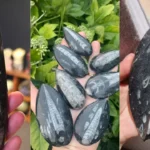
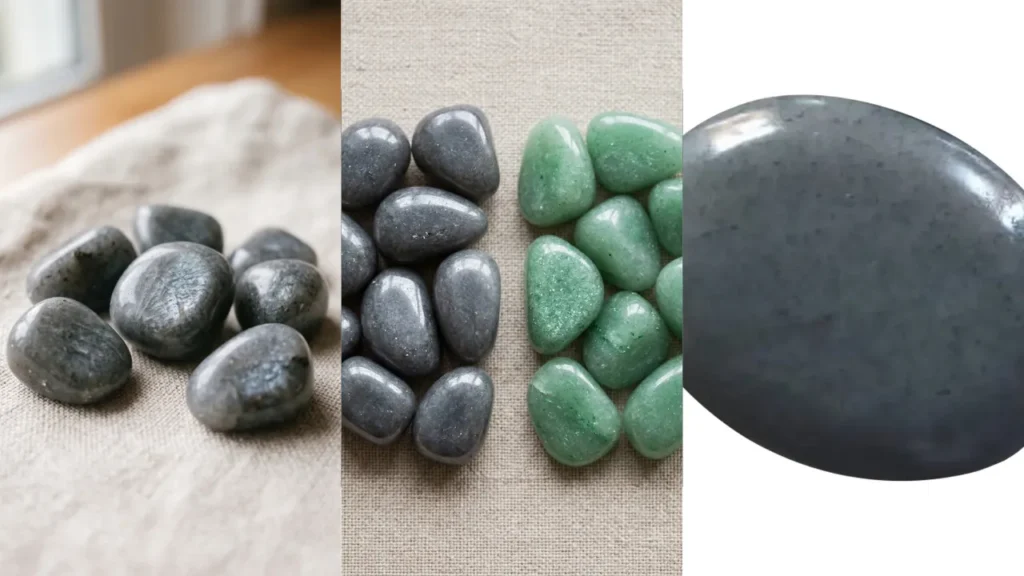
Grey aventurine sits quietly in the shadow of its far more famous green cousin, and that’s not just a marketing gap. Even the gemological literature is noticeably less specific about what actually causes grey aventurine’s color compared to green, which is worth knowing honestly before assuming every detail here is as settled as it is for the classic variety.
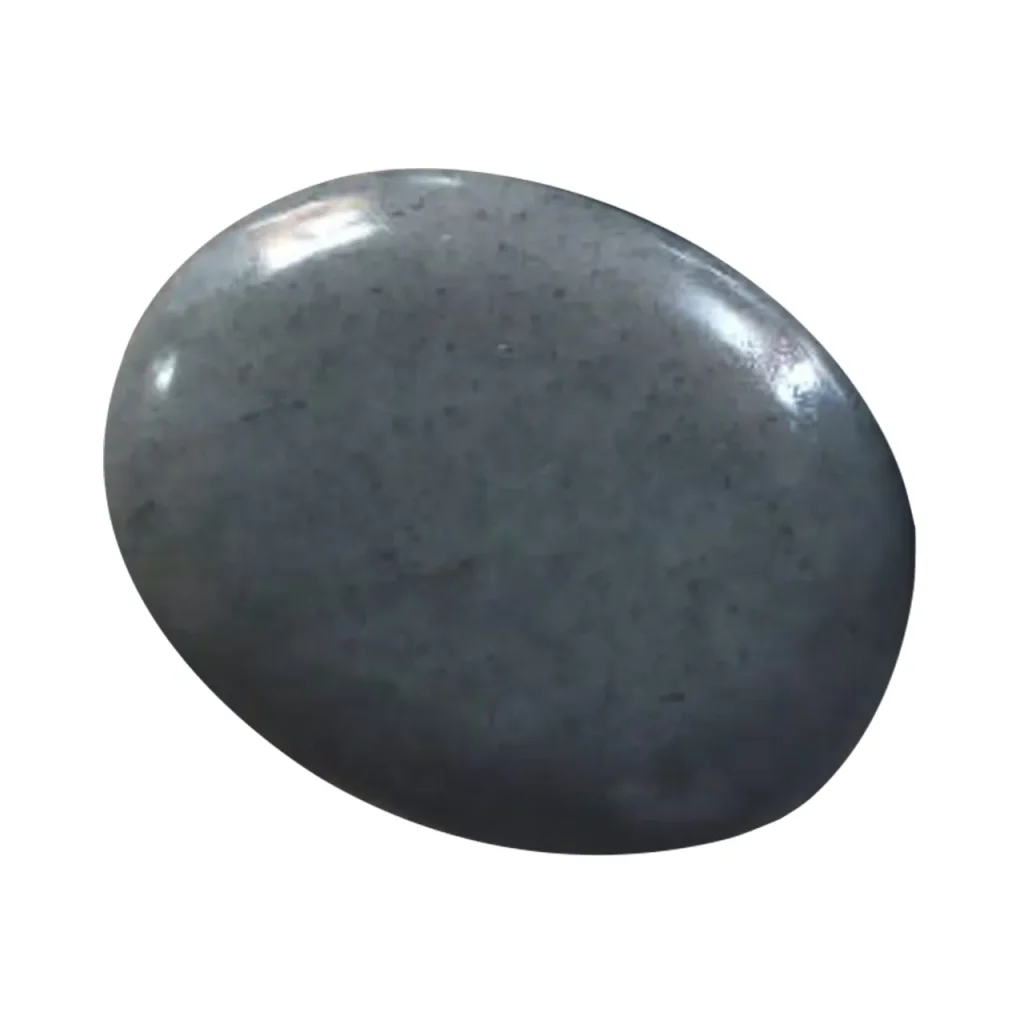
What Is Grey Aventurine?
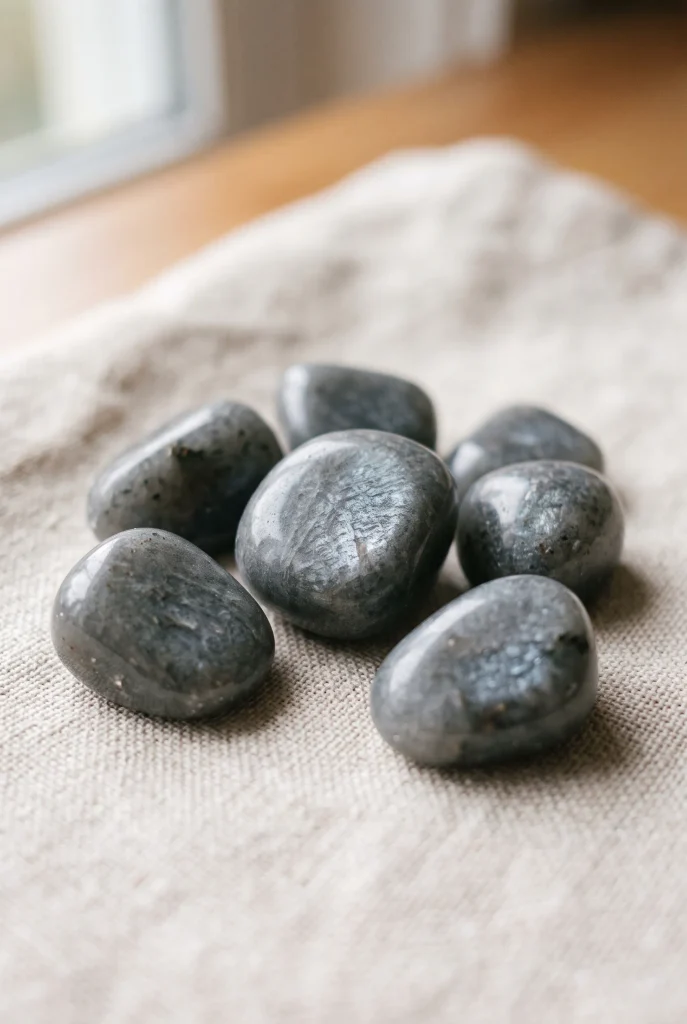
Grey aventurine is a variety of aventurine, itself a form of quartzite (a metamorphic rock composed mainly of quartz) or granular quartz, defined by a shimmering optical effect called aventurescence. This shimmer comes from tiny, flat, plate-like mineral inclusions distributed throughout the stone that reflect light back to the viewer. Aventurine sits at roughly 6.5–7 on the Mohs hardness scale, with a vitreous (glassy) luster, and ranges from translucent to nearly opaque depending on the density of its inclusions.
Green is by far the most common and commercially dominant aventurine color, caused by fuchsite, a chromium-rich variety of mica. Grey aventurine is one of several less common colors in the same family, alongside orange, blue, yellow, and pink varieties. Geology.com’s aventurine reference covers the full color range and inclusion types in more depth.
What Actually Causes the Grey Color? The Honest Answer
This is genuinely less clear-cut than you’d expect from a well-established gem material. For green aventurine, the cause is well-documented and consistent across every source: chromium-rich fuchsite mica. For grey aventurine, sources are noticeably vaguer.
Multiple gemological references (Geology.com, Wikipedia, Geology Science, Crystallography Gems) confirm that grey is one of aventurine’s natural color range, alongside orange, yellow, blue, red, pink, brown, and white — but nearly none of them specify exactly which mineral inclusion produces the grey color specifically, the way they clearly credit fuchsite for green or hematite/goethite for orange and brown. One source lists biotite (a common dark mica) among the broader list of possible inclusion minerals across aventurine’s color range generally, without confirming it as the specific cause of grey. [Unverified: I could not find a source that definitively names the exact mineral or mechanism responsible for grey aventurine’s color specifically, as distinct from the broader list of aventurine-family inclusions.]
The most defensible honest explanation, based on how aventurine’s color chemistry works generally: grey aventurine likely results from a lower concentration or different combination of the same mica-family inclusions responsible for other aventurine colors, producing a muted, neutral tone rather than a strong hue — but this is a reasonable inference from the broader pattern, not a specifically confirmed mechanism.
How Does the Aventurescence Effect Form?
Aventurine forms when silica-rich fluids precipitate microcrystalline quartz within veins, cavities, or larger rock masses, often in metamorphic environments where existing rock is altered under heat and pressure. During this process, platy mineral inclusions — typically various forms of mica — become trapped within the quartz as it crystallizes. When these flat, reflective inclusions share a common orientation and are present in sufficient quantity, light striking the stone’s surface reflects off these internal platelets, creating the sparkling, glittery effect known as aventurescence.
Where It Comes From
- India — one of the most significant global sources of aventurine across its color range, including grey material
- Tanzania, Myanmar, Czechia, Japan, United States, Canada, Austria, China, Brazil, South Africa, Slovakia, and Germany — all documented aventurine-producing regions, per gemological reference sources, though not all consistently produce grey material specifically
Wikipedia’s Aventurine entry has a broader overview of the mineral’s classification and global distribution.
Is It Treated?
Aventurine is generally sold untreated — its color comes from natural mineral inclusions that don’t typically require enhancement. One source specifically cautions that extremely bright, saturated aventurine specimens may have been dyed, which is a more relevant concern for vivid green or brightly colored material than for the naturally muted grey variety, since dyeing tends to target more visually dramatic color outcomes.
Durability: Can You Wear It Every Day?
Grey aventurine measures roughly 6.5–7 on the Mohs scale, the same range as other aventurine colors and most quartz-family stones.
- Solid everyday hardness, comparable to amethyst, citrine, and other common quartz jewelry stones.
- Granular structure adds some resilience to chipping compared to single-crystal quartz varieties, since aventurine’s quartzite structure is made of many small interlocking grains rather than one large crystal.
- Softer than sapphire or diamond and will scratch if stored carelessly alongside harder gems.
- Everyday wear verdict: well suited to rings, bracelets, and pendants for regular wear, with normal care to avoid contact with harder stones.
How to Care for Grey Aventurine
Clean with warm, soapy water and a soft brush. Since it’s typically untreated, ultrasonic and steam cleaning are generally considered safe, though it’s worth confirming a specific piece hasn’t been dyed first, particularly if the color looks unusually saturated for the variety. Store separately from harder gemstones to prevent surface scratching.
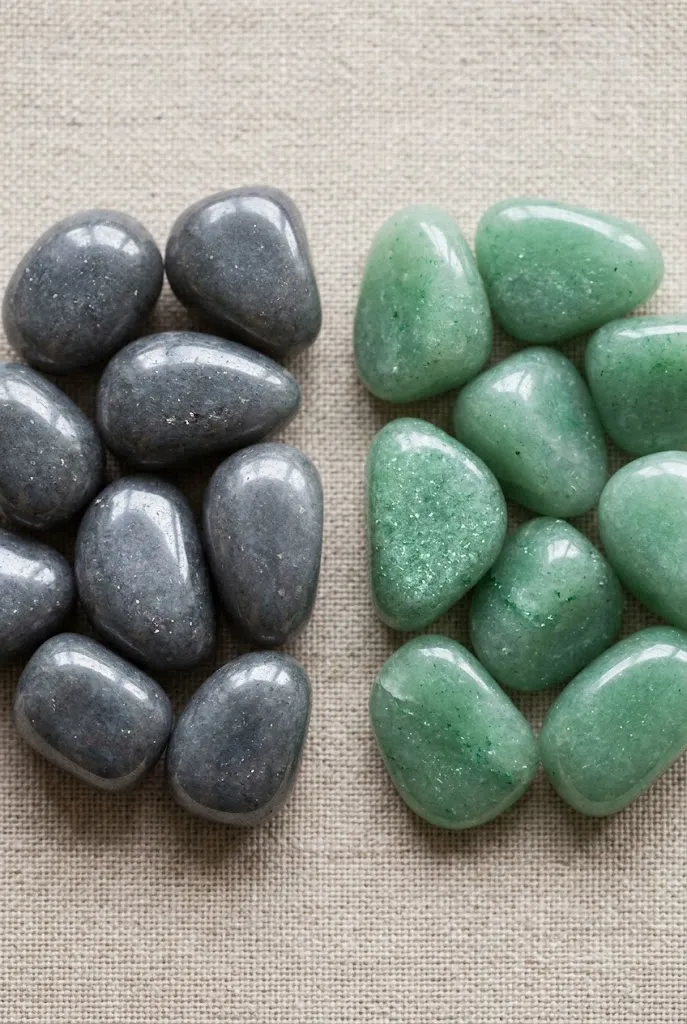
Grey Aventurine vs. Green Aventurine: What’s Actually Different
- Color cause: Green aventurine’s color is confidently attributed to chromium-rich fuchsite mica across every source checked; grey aventurine’s specific cause is comparatively undocumented, as covered above.
- Market prominence: Green is the classic, most recognized, and most commercially significant aventurine color; grey is a minor variety with far less dedicated reference material.
- Visual character: Green aventurine typically shows a more pronounced, colorful shimmer; grey aventurine’s aventurescence tends to read as a subtler, more metallic-toned sparkle.
- Shared buyer lesson: both share the same base quartz structure, hardness, and care requirements — the color difference doesn’t change how you should wear or maintain the stone.
Explore More Gemstone & Mineral Guides
Compare crystal structures, optical phenomena, and rare collector species:
Learn how natural heat and iron create subtle mint-green quartz.
Discover how silica spheres diffract light against dark body tones.
Explore the origins and geology of one of Earth’s rarest minerals.